
The continuous advancements in IVF technology have brought hope to many families unable to conceive naturally. Egg donation and surrogacy, as integral parts of assisted reproduction, are helping more people achieve their dreams of parenthood. For prospective parents new to this field, understanding the scientific, safe, and legal aspects of egg donation and surrogacy is the first step toward new life.
Egg donation involves healthy women donating their eggs to families in need after undergoing rigorous medical examinations and evaluations. This process is usually carried out in a highly safe and regulated environment by professional medical institutions. First, egg donors undergo a series of health assessments, including blood tests, genetic screening, and psychological counseling, to ensure their suitability for participation. Next, doctors use medications to regulate the donor’s ovarian function, enabling the production of more healthy eggs before retrieval. Throughout the process, donor safety is a top priority, with each step closely monitored by a professional medical team. The egg retrieval procedure itself is minimally invasive and does not cause long-term effects on the donor’s body.
Surrogacy, on the other hand, provides an alternative path to parenthood for women who are unable to conceive or carry a pregnancy. Surrogates receive embryo transfers and nurture the fertilized egg to delivery. The core of surrogacy lies in precise embryo culture in the lab and careful health management of the surrogate during pregnancy. Like egg donation, every step of the surrogacy process must adhere to medical and legal standards to ensure the protection of all parties involved.
Choosing a legitimate institution is not only a responsibility toward egg donors and surrogates but also a safeguard for the prospective parents themselves. Globally, the legality of egg donation and surrogacy varies depending on the policies of each country and region. In countries like the United States, where regulations are well-established, the entire process of egg donation and surrogacy is strictly regulated by law. COSTAIVF, based in the United States, is a trusted assisted reproduction institution that provides high-quality services to prospective parents under legal compliance. All COSTAIVF egg donors are rigorously screened, and the health and psychological well-being of surrogate mothers are comprehensively cared for. For prospective parents, this not only ensures high success rates in embryo and pregnancy outcomes but also makes the entire journey to parenthood more secure and smooth.
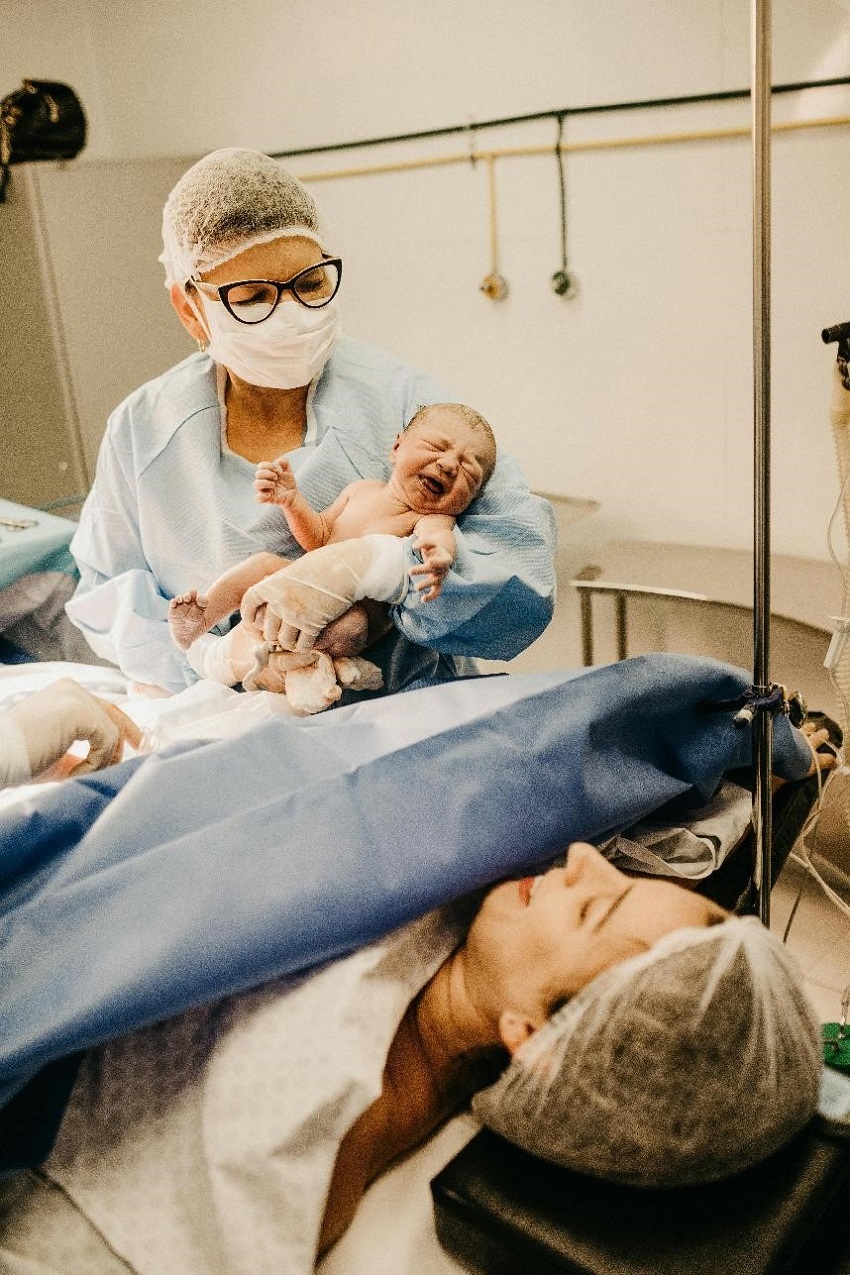
Take Kate and James’s story as an example. After years of marriage, they were still unable to conceive. A doctor’s diagnosis left them feeling hopeless: Kate had low ovarian reserve, and James’s sperm motility was poor. They almost gave up trying until a friend recommended COSTAIVF. Through the institution, they found a suitable egg donor and successfully cultivated healthy embryos, which were then transferred to a surrogate mother. Ten months later, a healthy baby boy was born, and Kate and James realized their dream of becoming parents. Kate shared, “COSTAIVF provided not only technical support but also made us feel the professionalism and care of the entire team, which made our family complete.”
Whether you are an egg donor or prospective parents, COSTAIVF is committed to realizing shared dreams of parenthood through scientific, safe, and compassionate methods. Dr. Nathan Zhang and his team have extensive experience in egg donation and surrogacy, tailoring solutions for each patient to ensure excellence at every stage. Through COSTAIVF, prospective parents can achieve their dream of having their own child while experiencing the warm human care behind assisted reproduction. If you have any questions about egg donation or surrogacy, feel free to consult COSTAIVF Egg Bank and Dr. Nathan Zhang for more professional guidance.
